
Knowing how to sharpen a Kai knife will amp up your overall kitchen experience. A Kai knife is just your regular ol’ knife to the average Joe. However, to the experienced, Kai knives are not your everyday run-of-the-mill kitchen knives. They are well respected in the culinary field and should be cleaned and sharpened. That is why we have created this guide: to tell you just how to sharpen your Kai knife like a pro.
The sharpening technique we are about to guide you through is a traditional Japanese technique and guarantees the effectiveness and longevity of your Kai knife. Sharpening your Kai knife is best achieved with a whetstone (or grindstone). We recommend the Kai Combination Whetstone. It has a 400 grit side for very dull or chipped edges and a 1000 grit side for normal sharpening, and it sits in a non-slip holder. For a finer, polished edge, add a 3000 to 6000 grit stone later.

Here, we will show you the techniques for blades that require grinding on only one side and blades that require grinding on both sides.
Preparation
Soak the whetstone in water for seven to ten minutes before starting the sharpening process. This is to keep the knife’s edge cool enough during the grinding process. You will notice that tiny air bubbles will begin to appear as you insert the whetstone into the water. When these bubbles stop, the whetstone is ready for use.
Position the damp whetstone on a countertop or work surface vertical to your position (i.e., with the width of the whetstone facing you). Ensure that a rubber base is placed under the whetstone to stabilize it.
How to Sharpen Kai Knives With Blades Ground on Both Sides
Step 1
Place the Kai knife in the middle of the whetstone at an angle of 45 degrees to the length of the stone. Then, raise the spine until the blade sits at about 15 to 16 degrees to the stone (Kai PRO knives come with a 16° edge). The edge should face you.
Step 2
Begin to grind from the blade’s tip to the broader end of the blade. Apply pressure with your fingertips as the blade grinds against the whetstone away from you. Then, release this pressure as you pull the blade towards yourself.
Step 3
Continue this motion, section by section from tip to heel, until you can feel a small burr (a rough lip) along the whole opposite side of the edge. On a dull knife that takes far more than a handful of strokes; the burr, not the count, tells you when to stop.
Step 4
Flip the knife over and repeat the same motions on the opposite side of the blade until the burr moves back. Then repeat both sides on the finer side of the stone with lighter pressure, and finish with a few light alternating strokes to remove what is left of the burr. Rinse the Kai knife and whetstone with clean water and pat dry.
How to Sharpen Kai Knives With Blades Ground on One Side
Step 1
Place the Kai knife on the whetstone at a 45-degree angle, beveled side down. Tilt it until the whole bevel lies flat on the stone; single-bevel knives are sharpened at the angle of their existing bevel. Ensure the edge of the knife is facing you.
Step 2
Begin to grind from the tip of the blade to the wider end of the blade. Apply pressure with your fingertips as the blade grinds against the whetstone away from you. Then, release this pressure as you pull the blade towards yourself.
Step 3
Continue these motions until the entire length of the Kai knife blade is sharpened. You’ll know the knife is sharp when you can feel a slight burr on the opposite side of the blade.
Step 4
Lay the flat back of the blade completely flat on the whetstone and make a few light strokes until the burr disappears. Use very little pressure and as few strokes as you can: grinding the back too much ruins the flat side that makes a single-bevel knife work. Finally, rinse the Kai knife and whetstone with clean water and pat dry.
Conclusion
As an alternative, you could also check out the Kai PRO Ceramic Diamond Pull Sharpening System. This device sharpens blunt Kai knives in three easy steps: a coarse slot, a finer one and a ceramic slot to finish.
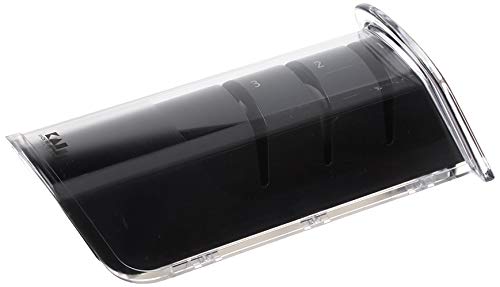
While the pull-through sharpener might feel more comfortable for some people, it is made for double-bevel, straight-edged knives at 16°. Don’t use it on single-bevel or serrated knives, or on Kai’s Shun knives: their harder steel can chip in a pull-through, and Shun offers free sharpening instead. Kai’s softer everyday lines (PRO, Wasabi, Luna) are exactly what it’s for, and Kai also offers free sharpening on those US lines. Oppositely, the whetstone method can accommodate all variants of Kai knives.
Now that you know how to sharpen a Kai knife, you will be able to chop foods effortlessly in the kitchen and increase the life expectancy of your Kai knife. For more information regarding kitchen knives check our Kai knives review, the shorter answer in are Kai knives good, or, if you own Shun too, how to sharpen Shun knives.

Gary Portman founded knivesadvice.com in 2019. He learned to cook in his family’s kitchen as a kid and has used kitchen, pocket and outdoor knives ever since, from paring and fillet knives to survival blades he carries camping and hiking. He writes the site’s buying guides, brand reviews and sharpening how-tos to help readers find the right knife for the job. More about Gary.